Exploring Historical Influences On Regional Baccarat Formats
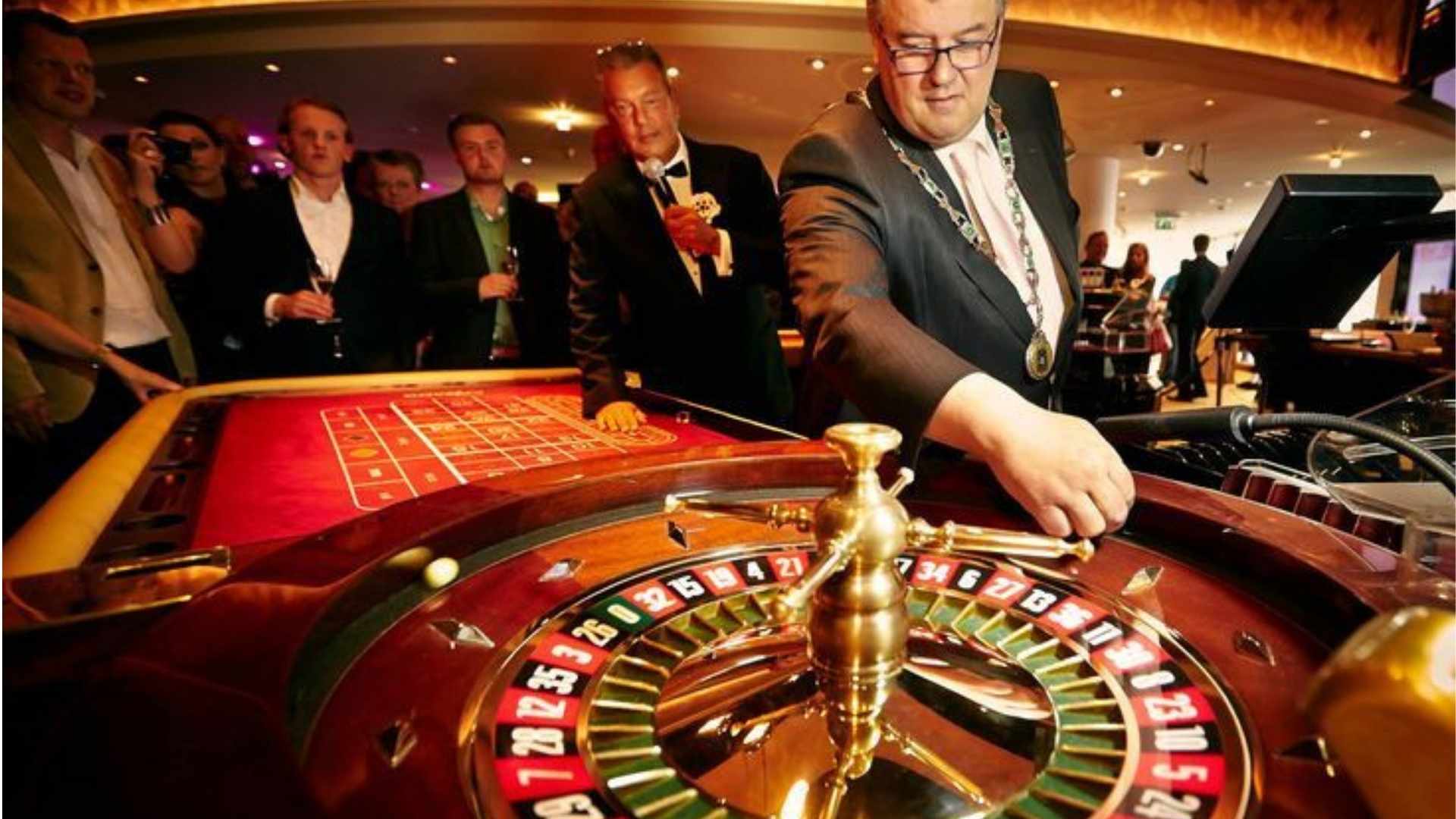
The journey of baccarat from secretive European salons to the bustling floors of global casinos highlights how cultural preferences shape popular games. While the core objective of comparing card values remains unchanged, local customs and historical shifts have altered table interactions and mechanics significantly. Investigating these distinct regional transformations allows players to appreciate the deep historical heritage behind their favorite variations.
The Aristocratic Roots of European Variations
Baccarat initially gained immense popularity among the French nobility during the nineteenth century, establishing a formal and highly social gameplay style. This era gave birth to Chemin de Fer, where participants took turns acting as the banker and made active decisions on drawing additional cards. The setup fostered a communal atmosphere that reflected the elite social structures of European gaming houses at the time.
As the game migrated across the English Channel, further rule modifications emerged to suit British preferences for structured banking. These historical iterations prioritized high financial stakes and elegant etiquette, solidifying baccarat as a luxury pastime. Today, traditional European venues preserve these classic formats to maintain an authentic sense of historical grandeur.
The American Shift to Mechanical Automation
When the card game arrived in continental America, casino operators recognized the need to appeal to a broader and faster-moving demographic. This led to the development of Punto Banco, a streamlined variation that completely eliminated player decision-making regarding card distribution. The house assumed permanent control of the bankroll, enforcing fixed rules that dictated every move automatically.
This transition minimized administrative delays and allowed casinos to accommodate a much higher volume of hands per hour. The simplified framework removed the intimidating social pressures of the older European styles, making it highly accessible to casual enthusiasts. Modern gaming platforms often celebrate this efficiency by offering various automated and live dealer adaptations, such as the popular options found at m88 slot tables.
Asian Cultural Influx and Rituality
The explosive growth of gaming hubs in Macau and alternative Asian markets introduced a completely fresh wave of cultural adaptation to baccarat. In these regions, players integrated deeply held beliefs regarding luck, destiny, and pattern tracking directly into the table environment. This behavioral shift led to the widespread popularity of commission-free tables and extensive squeeze ceremonies where cards are slowly revealed.
To support these unique rituals, developers added sophisticated scoring grids and digital displays to track historical results. The physical pacing altered to respect these cultural customs, transforming a standard card game into a highly intense and expressive spectacle. These elements continue to influence how contemporary operators design their layouts for international audiences.
The Digital Transition and Future Formats
The rise of internet gaming infrastructure has allowed developers to blend multiple historical traditions into innovative hybrid formats. Players can now access accelerated tables that eliminate physical limitations while preserving classic drawing rules from diverse regions. This technical evolution ensures that historic variations remain relevant and engaging for a new generation of analytical participants.